 Yoga Podclass
Expanding Through Stability: Root Down to Rise Up
You decide you want to take on more at work—a new project, a leadership role, expanded responsibilities. You reach for the opportunity before establishing the foundation to support it. Within weeks, you're overextended, reactive, barely keeping up with what you already had. You tried to expand without first creating the stability that makes expansion sustainable.
In This Article
- •What expanding through stability means — understanding how rooting down creates the foundation for reaching up and out
- •How balancing poses reveal this pattern — specific practices that show stability precedes expansion Where you're reaching without rooting — work, growth, and relationships where you're expanding without establishing foundation
- •Language for connecting practice to life — exact phrases for bridging physical stability to off-mat expansion
Introduction
Expanding through stability is the practice of rooting down before reaching up, establishing foundation before adding complexity, creating the conditions for growth rather than just reaching for it. It's recognizing that expansion without stability leads to collapse, that you can't sustainably rise up without first pressing down, that the reaching is only possible because of the rooting.
When you work with this concept, you start to notice where you're trying to expand without establishing the foundation that makes expansion possible. You see the places where you're reaching for more—more responsibility, more connection, more achievement, more growth—without first rooting into what stabilizes you. You recognize that stability isn't stagnation, it's the quietly powerful aliveness that makes sustainable expansion possible.
This isn't about playing small or refusing growth opportunities. It's not about staying stuck in your comfort zone or avoiding expansion because you're waiting for perfect conditions. Expanding through stability means you press down with authority into what grounds you—your values, your boundaries, your core practices, your support systems—so you can grow upwards and outwards from there. The deeper you root, the taller you can grow.
On the Mat
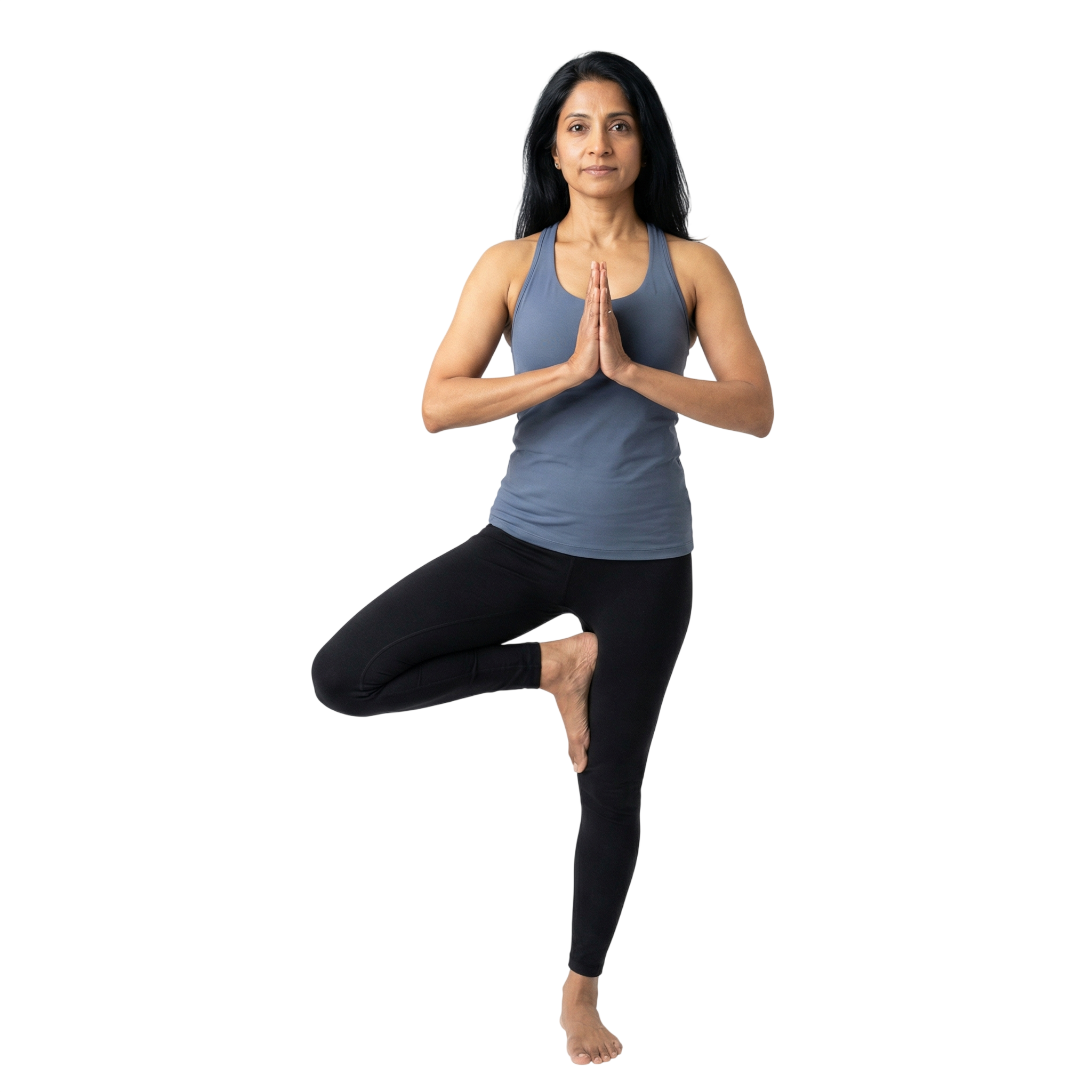
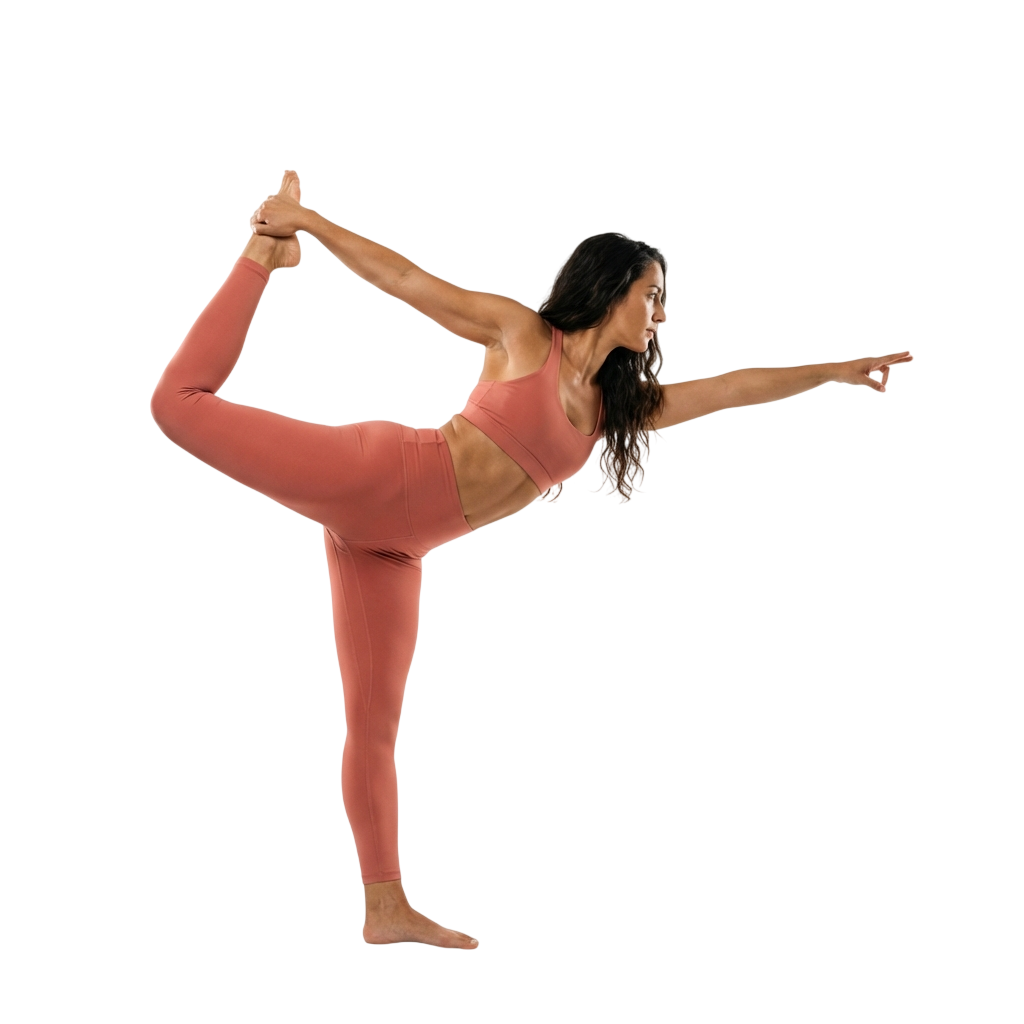
Balancing poses make this pattern visceral because you literally cannot reach up until you root down. In Tree Pose, the more you press your standing foot into the mat, the taller you can grow through your crown. In Dancer's Pose, you kick back into your hand to create the stability that lets you lean forward and expand. In One Leg Mountain, pressing down with authority into your standing foot is what allows you to lift your arms overhead without toppling.
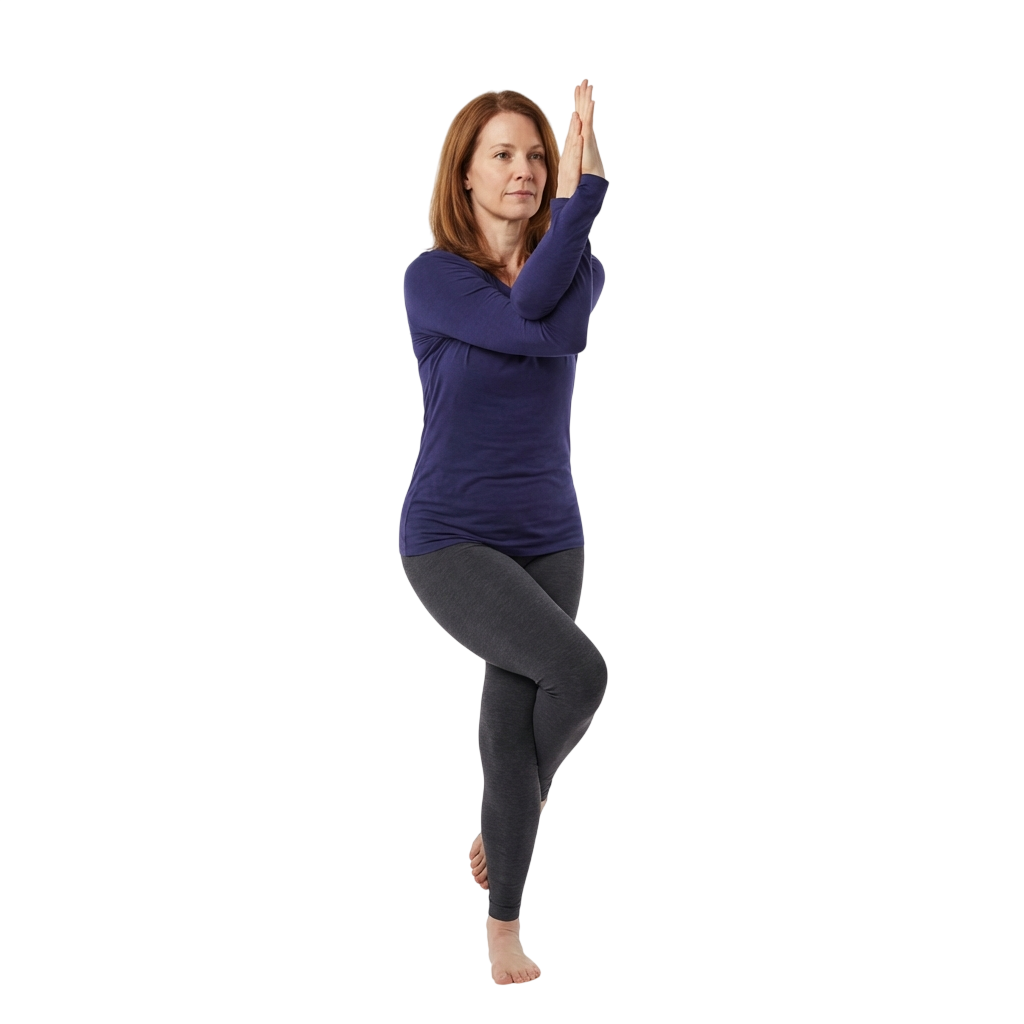
You might notice in Eagle Pose or Tree Pose that when you try to reach your arms overhead before establishing your foundation, you wobble. Your standing leg isn't engaged, your standing foot isn't gripping the mat, your gaze is searching around the room for something external to anchor to. You're trying to expand before you've rooted. In Warrior II or Reverse Triangle, you might notice that when you don't press down equally through both feet, your expansion becomes strained—you're reaching but there's no power behind it because the foundation isn't stable.
Working with this pattern means bringing attention to your points of contact with the earth before adding complexity. In Tree Pose, that means pressing your standing foot down, squeezing your leg and foot together to stabilize, growing tall through your crown, and only then reaching your arms overhead. In Crescent Lunge flowing into Warrior II into Reverse Triangle, it means checking in with your feet first—are you rooting down equally through both feet? Are you pressing with authority into the mat? Only from that foundation do you lengthen hand to hand, reach up and back, expand through your fingertips. The rooting down supports the rising up. Stability is not stagnation—the body is quietly, powerfully alive.
Use progressive balancing sequences that build stability before adding expansion: Chair to One Leg Mountain to Crescent Lunge with Airplane Arms to full Crescent to Warrior II to Reverse Triangle. Then Eagle, Dancer's, Tree. This structure lets students establish foundations before reaching.
Key cueing language: "Press down with authority into your standing foot—notice the deeper you press into the earth, the taller you can grow." "Root down to rise up. The rooting down supports the rising up." "Stability is not stagnation—the body is quietly, powerfully alive." "You've activated and created your foundation. Now it's time to trust that as you open, as you lift."
Give students time to establish their foundation before adding arm variations, gaze shifts, or eyes closed. In One Leg Mountain, cue them to press down into standing foot, lift knee to hip height, flex lifted foot, grow tall through crown, then reach arms overhead. Each layer builds on the previous foundation. In Reverse Triangle, cue feet first (press down equally), then straighten front leg, then reach arm up, then expand fingertips as high as possible.
Students often skip the rooting and just reach for the expansion, then wonder why they can't balance or why the pose feels unstable. Cue them to establish foundation first. Watch for standing foot not gripping the mat, breath becoming shallow, gaze darting around—these reveal someone reaching without rooting.
Off the Mat
The same pattern that shows up when you try to reach your arms overhead in Tree Pose without first pressing down into your standing foot appears everywhere you're trying to expand without establishing foundation.
At work: You take on the new project, the leadership role, the expanded responsibilities before establishing the systems and boundaries that would make them sustainable. You reach for more without first rooting into what already stabilizes you—your workflow, your support, your capacity. Within weeks you're reactive, overextended, barely managing what you already had. You tried to expand without creating the foundation that makes expansion possible.
In relationships: You want deeper connection but you haven't established the foundation for it—the consistent showing up, the vulnerability in small moments, the repair after conflict. You're reaching for intimacy without rooting into the practices that create safety and trust. Or you commit to more social obligations without first establishing boundaries around your energy and time, then wonder why every interaction feels draining.
With personal growth: You sign up for the course, buy the books, commit to the new morning routine—all the expansion moves—but you haven't established the foundation that would make any of it stick. You don't have the support system, the schedule adjustments, the realistic assessment of your actual capacity. You reach for transformation without rooting into the small, boring practices that create sustainable change.
In rest and recovery: You keep adding more to your plate—more commitments, more projects, more obligations—without establishing the foundation of actual rest and recovery. You're expanding without rooting into what replenishes you. Eventually your nervous system can't sustain it and you crash, then you're forced into rest because you didn't choose it intentionally.
During transitions: You reach for the next thing before you've fully landed in where you are. You're already applying to new jobs before establishing stability in the one you have. You're planning the next trip before integrating the last one. You're reaching for expansion without rooting into the present moment long enough to build from it.
This pattern persists because expansion feels exciting and rooting feels boring. Reaching for more looks like progress, ambition, growth. Establishing foundation looks like playing it safe, being small, settling. But the reality is that expansion without stability collapses. You can reach as high as you want, but if you're not pressing down with equal force, you'll topple. The deeper you root, the taller you can grow. But if you skip the rooting and just reach, you end up overextended, reactive, unsustainable—and eventually you collapse back down, sometimes harder than where you started.
Choose 1-2 scenarios that match your students' context. If you're teaching to ambitious professionals, the work expansion example will land. If you're teaching to people in life transitions, the growth and relationship examples might resonate more. Specificity helps students see their own patterns.
Introduce off-mat material during figure-four stretches or setting up for Shavasana—moments when students are integrating, nervous system is settling, and they're receptive to reflection without needing to act on it. Avoid bringing it up during balancing poses when they need all their attention on physical execution.
Keep it invitational and observational, not prescriptive. Frame as "you might notice..." not "you need to stop..." You're offering a lens for pattern recognition. Students will make their own connections about where they're reaching without rooting. Some will hear it and immediately recognize themselves. Others won't integrate it until they catch themselves mid-reach weeks later.
Making the Connection
Connecting your experience on the mat to your life off the mat.
"In balancing poses, stability is not stagnation—the body is quietly, powerfully alive. You're making micro-adjustments, responding to shifts, pressing down to rise up, rooting to reach. It's active, dynamic, responsive. Off the mat, stability works the same way. It's not playing small or refusing growth. It's establishing the foundation strong enough to support the expansion you're reaching for. You root into your values, your boundaries, your practices, your people—and from that stable foundation, you grow upwards and outwards. The expansion is only sustainable because of the rooting. You can reach as high as you want, but if you're not pressing down with equal force, you topple."
Deliver bridge language during transitions out of balancing poses or while students are in figure-four stretches —moments when they're still connected to their bodies but no longer actively balancing. The language lands when paired with the physical experience of rooting and rising, not delivered as abstract philosophy.
State it once, clearly, and let it land. Don't over-explain or repeat. Students make their own connections when the language is specific and tied to physical sensation. Some will immediately recognize everywhere they're reaching without rooting. Others will integrate it days later when they catch themselves mid-expansion without foundation.
One bridge phrase per class is enough. More becomes lecture. The physical practice has already taught them— the language just makes explicit what the body experienced. Trust that the rooting-to-rise pattern is visceral enough that students will carry it with them.
Try This
This week, notice one place where you're reaching for expansion without establishing foundation. Maybe you're taking on more at work without first rooting into systems and boundaries that would make it sustainable. Maybe you're reaching for deeper connection without establishing the small, consistent practices that create safety. Maybe you're committing to growth without rooting into realistic assessment of your capacity.
Once you notice the pattern, ask yourself: what foundation would I need to establish first to make this expansion sustainable? Not a dramatic overhaul—just one small way to root down before reaching up. Setting a boundary before adding responsibility. Establishing one consistent practice before committing to transformation. Checking in with your actual capacity before saying yes to the next thing. The practice isn't avoiding expansion —it's recognizing that the deeper you root, the taller you can grow.
Frame this as genuine curiosity, not corrective homework. "If you're curious this week, notice where you're reaching without rooting." Most students won't deliberately work with this, and that's fine. The invitation shifts their awareness—they'll catch themselves mid-reach and recognize the pattern even if they don't change their behavior yet. That recognition is valuable.
Where are you reaching without rooting? What foundation would you need to establish to make your expansion sustainable?

Related Episode